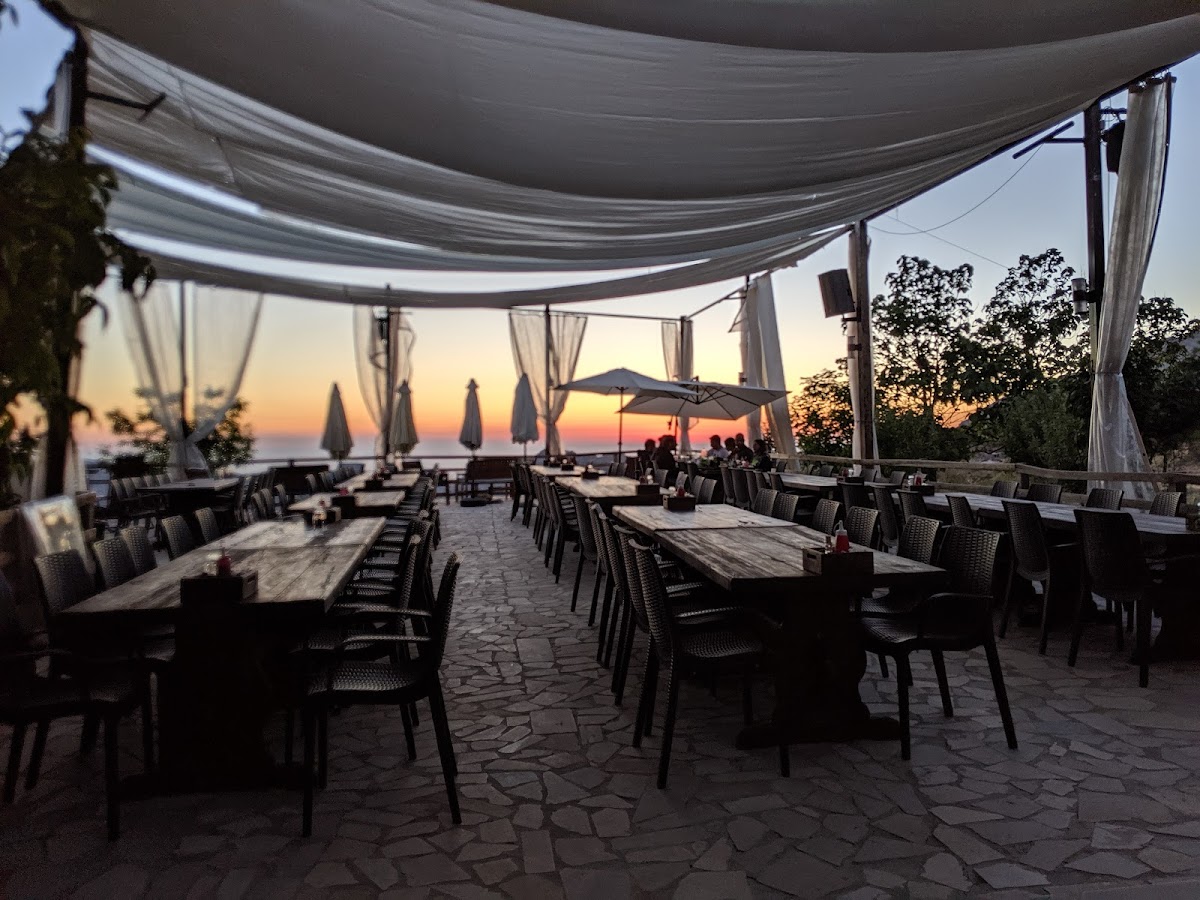
I had the pleasure of having lunch at Le Chatel yesterday, and what I experienced deserves more than just a five-star rating it deserves recognition. From the moment i arrived, the staff went above and beyond to ensure everything was perfect. Their warmth, attention to detail, and genuine hospitality reflect the heart of Lebanese mountain culture. The breathtaking view is enough to draw you in but what truly sets this place apart is the soul they put into their food. Every dish was a celebration of flavor, freshness, and tradition. But one stood out: the hindbeh. I’ve tasted this dish countless times before, but never like this. The balance, the depth, the seasoning it was simply out of this world. It’s the kind of flavor that stays with you long after the meal is done. If you’re anywhere near Bsharri or planning a visit to the North, Le Chatel is a must-visit. Not just for the view or the food, but for the people who run it with passion, love, and authenticity. They don’t just serve meals they create memories. Thank you, Le Chatel. I’ll be back soon.
Overview
Perched along Main Road in Bsharri, Lebanon, Le Chatel feels less like a random roadside stop and more like a warm mountain retreat you stumble upon and instantly want to claim as your own. The location alone-just a short drive from the Cedars of God and easily found on Google Maps at the tone. You’re surrounded by crisp air, stone houses, and that unmistakable North Lebanon charm that makes you slow down without even realizing it.
I first visited on a chilly autumn afternoon after hiking near the Cedars. Like many travelers, I was looking for something hearty and authentic. What stood out immediately wasn’t just the view from the terrace, but the way the staff handled a busy lunch rush with calm efficiency. According to hospitality research published by Cornell University’s School of Hotel Administration, attentive service is one of the top three factors influencing customer satisfaction in restaurants. Watching the team coordinate orders, refill bread baskets, and check in with tables without hovering made that research feel very real.
The menu leans into Lebanese classics while still offering a few comfort-driven surprises. You’ll find mezze staples like hummus, moutabbal, and fresh tabbouleh, but the real highlight is the grilled selection. Their mixed grill platter arrives sizzling, layered with tender shish taouk, juicy kafta, and perfectly charred lamb cubes. Each bite reflects careful sourcing and preparation. Lebanon’s Ministry of Tourism often highlights the importance of preserving traditional culinary methods, and here you can taste that respect for heritage. The meats are marinated long enough to absorb flavor deeply, then grilled over open flame to lock in juices without drying them out.
One thing I appreciated was how transparent the staff were about ingredients. When I asked about allergens for a friend with dietary restrictions, the server explained exactly how certain dishes were prepared and even suggested alternatives. That level of clarity builds trust. In an era where diners are more conscious about what goes into their food-whether it’s olive oil quality or the origin of dairy-this openness matters.
Portion sizes are generous, which aligns with what many reviews mention online. Families at nearby tables were sharing large platters, and it’s easy to see why this spot is popular for group gatherings and weekend outings. Bsharri itself is known for welcoming both local visitors and international tourists, especially during ski season and summer festivals. Restaurants in mountain regions often see seasonal traffic spikes, and from what I observed, this diner is well-prepared for that flow.
The ambiance deserves its own praise. Rustic wooden tables, stone accents, and wide windows create a setting that blends seamlessly with the surrounding mountains. It’s cozy without feeling cramped. During my visit, soft Lebanese music played in the background, just loud enough to add atmosphere without interrupting conversation. That balance is harder to achieve than it seems. Studies in environmental psychology show that moderate background music enhances dining pleasure and can even increase perceived food quality.
Another detail that stuck with me was the pacing of the meal. Courses didn’t arrive all at once, nor did we wait too long between dishes. The kitchen clearly follows a structured workflow. You can tell there’s a method behind the scenes, from prep timing to grill management. For anyone who’s worked in food service, it’s obvious when a restaurant runs on organized systems rather than chaos.
Prices are fair for the region and reflect the quality offered. While I didn’t see an official breakdown of sourcing partnerships, the freshness of the vegetables and the flavor of the olive oil suggest local suppliers. Supporting nearby farms and producers is increasingly important in sustainable dining, and many Lebanese establishments are moving in that direction.
If there’s one limitation, it’s that peak hours can get busy, especially on weekends. Calling ahead might save you a wait. Still, even with a full house, the experience feels grounded and genuine rather than rushed.
Between the scenic location, thoughtfully crafted menu, and consistent service, this restaurant captures what dining in Bsharri should feel like: generous, rooted in tradition, and quietly confident.
Good to know
Service options
✓ Outdoor seating ✓ Delivery ✓ Drive-through ✓ Takeaway ✓ Dine-inHighlights
✓ Great coffee ✓ Great dessertPopular for
✓ Lunch ✓ Dinner ✓ Solo diningAccessibility
✓ Wheelchair-accessible car park ✓ Wheelchair-accessible entrance ✓ Wheelchair-accessible seating ✓ Wheelchair-accessible toiletOfferings
✓ Alcohol ✓ All you can eat ✓ Beer ✓ Cocktails ✓ Coffee ✓ Halal food ✓ Late-night food ✓ Quick bite ✓ Small plates ✓ Spirits ✓ Vegan options ✓ Vegetarian options ✓ WineDining options
✓ Brunch ✓ Lunch ✓ Dinner ✓ Dessert ✓ Seating ✓ Table serviceAmenities
✓ Bar on site ✓ Toilet ✓ Wi-Fi ✓ Wi-FiAtmosphere
✓ Casual ✓ Cosy ✓ Quiet ✓ Romantic ✓ Trendy ✓ UpmarketCrowd
✓ Groups ✓ TouristsPlanning
✓ Brunch reservations recommended ✓ Dinner reservations recommended ✓ Accepts reservationsPayments
✓ Credit cardsChildren
✓ Good for kids ✓ High chairsParking
✓ Free of charge street parking ✓ Free parking lotPets
✓ Dogs allowedPhotos
Location
Reviews
Great location, a cool breeze accompanies you throughout as it is an open space. Very professional team, great service, delicious food. Covered kids playground with a monitor.
Lunch here was the highlight of our day! The view was spectacular. We were also welcomed and served by very accommodating and hospitable owner/ manager and waiters. It’s on our list to go to again next time we are back!
What a fantastic place! Delicious food & a lovely garden setting. I will definitely be back!
If you are in the area visiting this place is a must, delicious food combined with the best and friendly service in addition to a great view over the valley of qanoubine .
Amazing food, we got the set and the portions were very generous. My kids loved the food and we all enjoyed the spectacular views over the valley. The staff were friendly and attentive.
One of the best places in the area, great food and the most tasty fattouch ever, family business generosity and high quality ingredients combined could never go wrong. I recommend everyone to try it especially if you have kids they have a good kids area too.
What a gem of a place! The views are breath taking, the food is to die for (at affordable prices) and the service comes with a big smile. We were so lucky to find this place - a true reflection of Lebanese hospitality and culinary extravaganza.